
Gut Health and Skin Conditions: How to Heal from the Inside Out
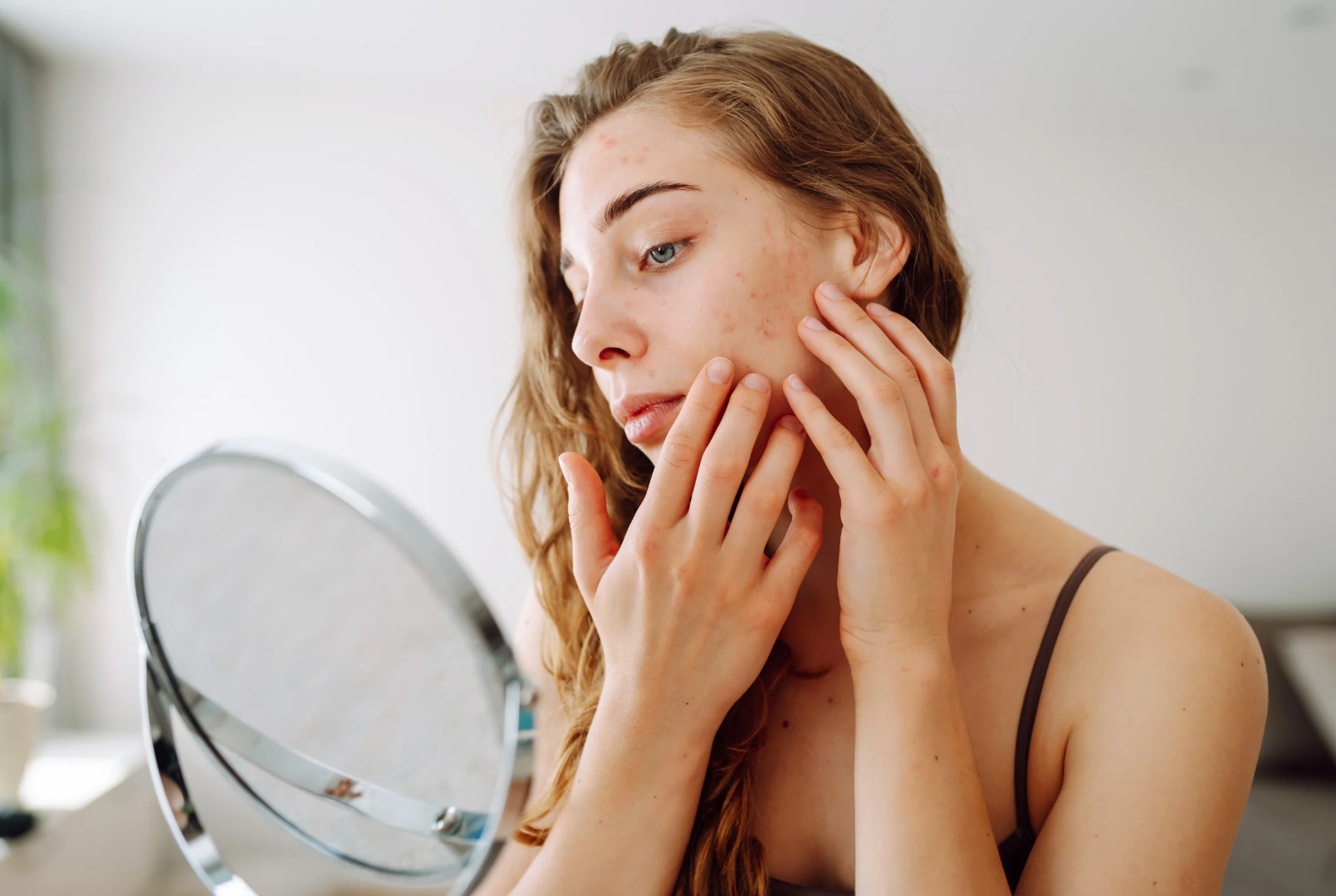
Skin problems can be frustrating, especially when creams and treatments don't seem to work. What if the real key to clearer, healthier skin lies deeper, inside your gut?
For Eugene residents struggling with persistent skin issues, working with a dedicated Eugene gut health specialist can help you understand this vital connection. In our health-conscious Willamette Valley community, more people are discovering that digestive wellness directly impacts your complexion and opens the door to natural healing from within.
Key Takeaway: Gut health plays a critical role in managing chronic skin conditions such as acne, eczema, and psoriasis by reducing systemic inflammation and promoting nutrient absorption essential for skin repair. Healing your skin from the inside out involves a gut-friendly lifestyle that includes high-fiber foods, fermented items, proper hydration, stress management, and quality sleep.
Understanding the Gut-Skin Connection
At its core, the gut-skin axis is a dynamic highway where signals travel back and forth between your digestive tract and your skin. When this system is intact, your gut nurtures skin cells with nutrients, supports hydration, and maintains a strong protective barrier.
Yet, when the gut's delicate microbial balance tips into dysbiosis (a disruption of beneficial bacteria), inflammation erupts visibly as acne, eczema, or psoriasis.
How Digestive Health Affects Your Complexion
When your gut isn't functioning well, it struggles to absorb vitamins like A, C, E, zinc, and magnesium. These are fundamental contributors to collagen production, antioxidant defense, and skin repair. Additionally, hormone regulation falters. Gut microbes help modulate cortisol and insulin, two powerful players that, when out of balance, can worsen skin conditions.
Think of your gut as a nutrient processing plant. Any operational failure there disrupts the delivery lines feeding your skin's cells. Without proper nutrients, your skin's structure weakens, leading to dryness, inflammation, and breakouts.
To nurture this vital connection:
Feed beneficial bacteria with fiber-rich whole foods like leafy greens, oats, and fermented items from Eugene's Saturday Market or Capella Market
Drink plenty of water to flush toxins and support cell moisture retention
Manage stress with meditation or gentle movement to calm systemic inflammation
True skin health doesn't come from topical products alone. It begins deep within your digestive system.
Common Skin Conditions Linked to Gut Health
Understanding which skin conditions stem from gut imbalances helps you target the root cause rather than just treating symptoms. The most common connections involve acne, eczema, rosacea, and psoriasis, each reflecting different aspects of digestive dysfunction.
Acne
Adult acne often signals deeper digestive troubles. When gut microbes become disrupted (dysbiosis), they trigger immune responses that manifest as stubborn breakouts. An overgrowth of certain bacteria, particularly in oil-rich areas like the face, can trigger inflammation and clogged pores.
Food sensitivities are one of the earliest signs. For many individuals, foods like dairy or those high on the glycemic index unleash acne flare-ups. To learn which everyday foods might be causing hidden damage, check out these common gut disruptors guide.
Beneficial probiotic strains such as Lactobacillus rhamnosus help strengthen the gut barrier, reduce immune overreactions, and influence hormone regulation, all crucial for lasting skin clarity.
Eczema
Eczema often connects to gut health through microbial imbalances and compromised digestive function. An overgrowth of Staphylococcus aureus is commonly associated with eczema, contributing to the dryness and inflammation characteristic of the condition. Studies on the gut-skin axis have explored how changes in the gut microbiome may influence eczema severity.
Leaky gut syndrome plays a significant role. When intestinal walls become permeable, toxins enter the bloodstream and trigger skin inflammation. Additionally, when your gut struggles to absorb essential nutrients like zinc, vitamin D, and omega-3 fatty acids, your skin's barrier weakens, making it more prone to flare-ups.
Psoriasis
Psoriasis connects to gut health through leaky gut syndrome and immune dysfunction. When intestinal walls become permeable and harmful bacteria outnumber beneficial ones, systemic inflammation increases. This weakened barrier combined with an overactive immune response creates conditions for scaly patches to develop.
Poor nutrient absorption further diminishes your skin's ability to repair itself, making flare-ups more frequent and severe.
Rosacea
Rosacea's facial redness and sensitivity have strong connections to gut imbalances. Research suggests that H. pylori infections and SIBO (small intestinal bacterial overgrowth) fuel the chronic inflammation that triggers rosacea symptoms.
Addressing underlying gut imbalances through targeted nutrition and probiotic support can help calm both internal inflammation and visible skin symptoms.
Healing Your Gut to Clear Your Skin
Once you understand the gut-skin connection, the next step is actively healing your digestive system through targeted nutrition. The foods you choose can either fuel inflammation or promote healing, making dietary choices one of your most powerful tools.
Probiotic and Prebiotic Foods
Probiotics are beneficial bacteria that aid digestion, support your immune system, reduce inflammation, and even influence mood. These tiny allies work quietly yet powerfully to maintain balance in your gut.
Probiotic-rich foods to include:
Yogurt with live cultures (look for locally made options at Eugene's farmers markets)
Kefir and kombucha from local Eugene producers
Sauerkraut and kimchi (available at Sundance Natural Foods and Kiva Grocery)
Prebiotics are specialized fibers that serve as food for your good bacteria, helping them multiply and outcompete harmful microorganisms. When you feed your microbiome well, you encourage a healthier environment that reduces skin inflammation.
Prebiotic foods that feed good bacteria:
Garlic, onions, and leeks
Asparagus (abundant in Willamette Valley during spring)
Chicory root and bananas
Consistency matters more than quantity. A spoonful of sauerkraut or a glass of kombucha can steadily improve your microbiome over time. Start slowly with prebiotic fibers to avoid temporary bloating as your digestive system adjusts.
Anti-Inflammatory Nutrition
Beyond probiotics and prebiotics, anti-inflammatory foods play a crucial role in calming both gut and skin irritation. These foods are rich in antioxidants that neutralize harmful free radicals and support cellular repair.
Anti-inflammatory additions:
Oregon-grown blueberries and raspberries
Fresh spinach and kale
Avocado and olive oil for healthy fats
Beans and lentils for fiber and protein
These foods work together to reduce systemic inflammation, support nutrient absorption, and strengthen your skin's natural barrier. Of course, healing also means removing foods that work against you. Curious which foods might be sabotaging your progress? Read about hidden gut saboteurs.
Lifestyle Practices for Gut and Skin Wellness
Diet is foundational, but lifestyle factors like stress management and movement create the conditions for true healing. These practices complement your nutritional efforts and accelerate your progress toward clearer skin.
Stress Management in Eugene
Stress is often the silent saboteur undermining gut harmony. Chronic stress releases excessive cortisol, a hormone that disrupts your gut microbiome and triggers flare-ups of inflammatory skin conditions like eczema and acne.
Stress-reducing practices for Eugene residents:
Take mindful breathing breaks at Alton Baker Park or along the Willamette River paths
Practice outdoor meditation at Hendricks Park or Mount Pisgah
Join Eugene's vibrant yoga community for gentle movement
Enjoy evening walks on Pre's Trail or through our extensive trail system
Eugene's natural beauty provides the perfect backdrop for stress relief. Taking advantage of our outdoor spaces not only calms your mind but also directly benefits your gut health.
Movement and Digestion
Physical activity acts as both a stimulant and regulator for your digestive system. Movement keeps your gut moving, literally. After meals especially, a simple walk encourages intestinal contractions that push food through your digestive tract efficiently.
Movement strategies that support healing:
Try a 10 to 15 minute walk after dinner along the Ruth Bascom Riverbank Path
Aim for 150 minutes of moderate activity weekly (Eugene's 30+ miles of trails make this easy)
Choose activities you enjoy, like hiking Spencer Butte or cycling local paths
Regular exercise also enhances blood circulation to the skin's surface, supporting detoxification and cellular regeneration. It's this harmony between activity and rest that helps sustain both gut microbiota diversity and robust skin health.
Eugene's climate considerations: Living in the Pacific Northwest means adapting to unique weather patterns. Eugene's damp climate and frequent rain can influence both gut and skin health. Indoor heating during wet winter months can cause dehydration affecting digestion and skin barrier function. Combat this by staying well-hydrated and eating warming gut-friendly soups.
Gut Health Solutions for Eugene Residents
Healing begins within. By restoring balance to your gut, you pave the way for healthier skin that shines with vitality.
At Nicole Joyce Health Counseling, I specialize in helping Eugene and Willamette Valley residents tackle acne, eczema, psoriasis, and unexplained skin issues through holistic strategies that address digestive health. Whether you've struggled with traditional treatments or you're seeking a natural approach, a personalized plan can make all the difference.
Ready to transform your skin from the inside out? Book your free discovery call today or contact me at (541) 914-9147 to begin your healing journey right here in Eugene.
Frequently Asked Questions
-
Most people begin noticing visible improvements within 4 to 6 weeks of consistently supporting their gut health. However, significant and lasting changes typically take 3 to 4 months. Your skin is reflecting internal healing that takes time to fully manifest.
-
Leaky gut syndrome, dysbiosis (bacterial imbalance), and chronic inflammation are the most common gut issues connected to acne and eczema. When your intestinal lining becomes permeable, toxins trigger immune responses that show up as skin conditions.
-
Many people benefit from temporarily reducing common triggers like dairy, refined sugar, and highly processed foods. However, everyone's triggers are unique. An elimination protocol can provide personalized clarity and faster results.