
5 Foods That Are Secretly Sabotaging Your Gut Health
Gut health often feels like a mystery. Why does your stomach feel fine some days, and bloated or upset the next? The answer is often hiding right on your plate.
Many everyday foods carry hidden ingredients that quietly throw off the balance of good bacteria in your gut. These aren't exotic or unusual items. They're the same staples most of us reach for without thinking twice.
Bloating, heartburn, and digestive discomfort are some of the most common symptoms people struggle with. As a local Eugene digestive repair expert, I see this traced back to everyday food choices more often than you'd expect. Here are five common foods that are likely doing more damage than you think.
1. Supermarket Bread
Bread is a household staple, but most of what you'll find on the supermarket shelf is far from gut-friendly. Commercial breads are made from highly refined flour that has been stripped of its natural fiber. Manufacturers then add preservatives and emulsifiers to extend shelf life.
The result? A product that offers your gut bacteria almost nothing useful to work with.
Starves beneficial bacteria of the fiber they need to thrive
Slows digestion and encourages bacterial imbalance
Contributes to bloating and constipation over time
Simple fix: Swap your usual loaf for a whole grain option. Even better, check out the local bakers at the Lane County Farmers Market for fresher, less processed alternatives.
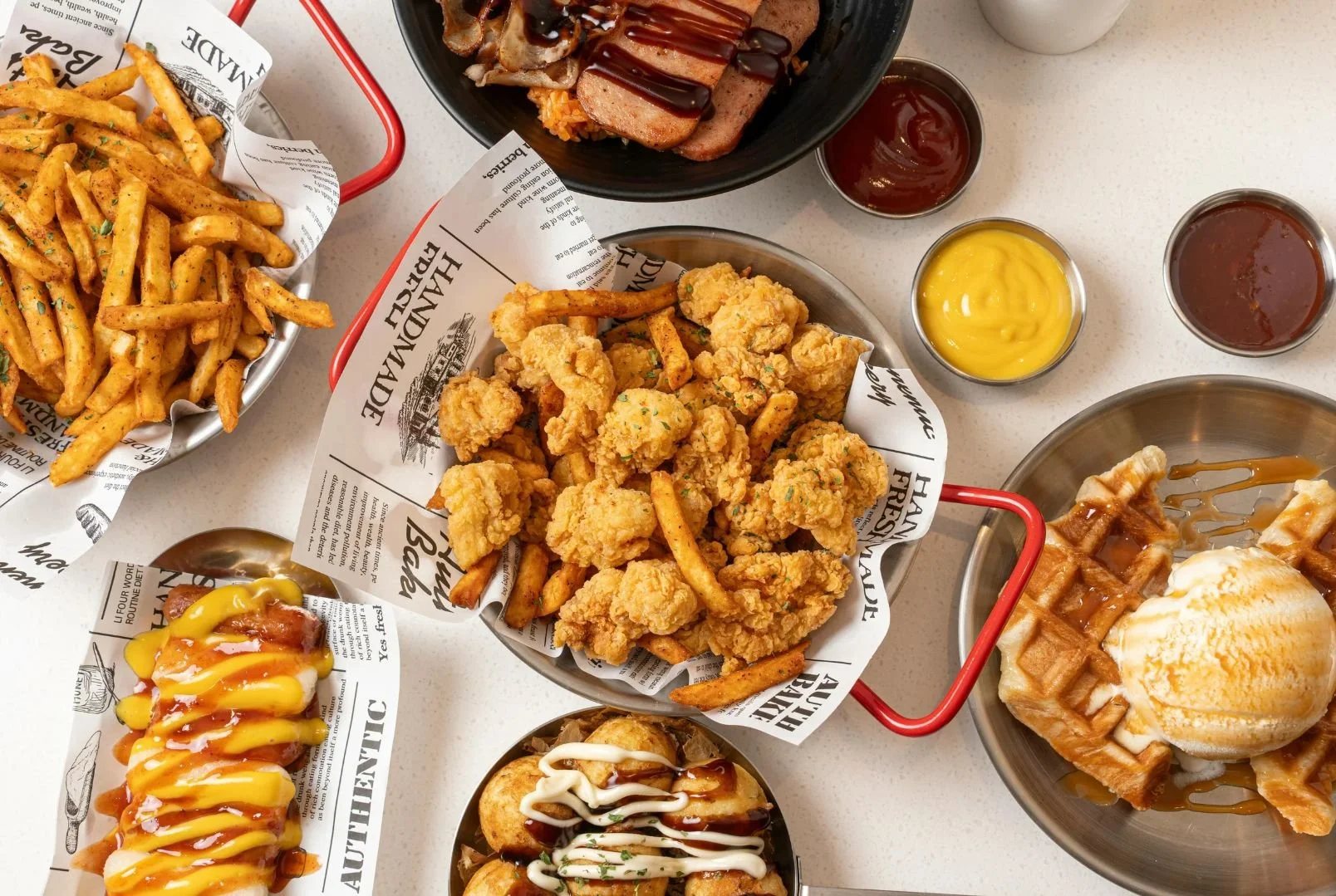
2. Fried Foods
Fried foods are typically cooked in refined vegetable oils that are high in omega-6 fatty acids. A little omega-6 is fine. In excess, though, it becomes a driver of inflammation inside the digestive tract.
On top of that, fried foods are heavy and difficult for your body to break down quickly. This slows everything down.
Damages the gut lining and disrupts healthy bacterial populations
Slows gastric emptying, leaving you uncomfortable well after the meal
Weakens the tight junctions between intestinal cells over time
Simple fix: Baking, steaming, or air-frying delivers similar textures without the damage. When you do cook with oil, olive or avocado oil are much gentler choices.
3. Sugary Foods
Added sugars are one of the fastest ways to throw your gut out of balance. They feed harmful bacteria and yeast while starving the beneficial ones your body depends on.
Many sweet foods also contain emulsifiers like Polysorbate 80. This additive has been linked to disruptions in gut bacterial balance, compounding the problem.
Increases gut permeability, often referred to as "leaky gut"
Triggers inflammation that can spread toxins into the bloodstream
Encourages the overgrowth of harmful bacteria and yeast
Simple fix: Check ingredient labels for hidden sugars. Oregon has a strong local fruit scene, especially during summer. Swapping packaged sweets for fresh, seasonal whole fruits is one of the best things you can do for your gut.
4. Certain Vegan Products
Veganism can be a great choice for health. But not every product with a "vegan" label is doing your gut any favors. Many processed vegan cheeses and meats rely on additives to mimic the texture and taste of animal-based foods.
Those additives are the issue, not the plant-based concept itself.
Carrageenan, a common thickener, can provoke gut irritation and chronic inflammation
Emulsifiers and fillers inhibit microbial diversity
May worsen symptoms for anyone already struggling with IBS
Simple fix: Lean into whole plant foods like legumes, nuts, and seeds instead. Eugene has a thriving local food scene, so sourcing fresh, minimally processed options is easier here than in most places. When buying packaged products, always check for carrageenan and maltodextrin on the label.
5. Alcohol and Caffeine
Most people don't connect their morning coffee or evening glass of wine to gut health. But both alcohol and caffeine can cause real damage when consumed regularly or in large amounts.
Alcohol is particularly harsh. It directly kills off beneficial bacteria and irritates the gut lining. Caffeine adds to the problem by further inflaming the intestines.
Alcohol kills beneficial bacteria and weakens the gut barrier
Caffeine irritates the intestinal lining
Regular use of both erodes mucosal integrity over time
Simple fix: Pay close attention to how your body responds after consuming either. If bloating or discomfort follows, it's a sign to scale back.
Quick Tips to Support Your Gut
Increase fiber gradually. Vegetables, fruits, chia seeds, and flaxseed all feed good bacteria. Ramp up slowly and drink plenty of water to help your body adjust.
Eat fermented foods. Yogurt with live cultures, kimchi, and sauerkraut introduce beneficial bacteria naturally. Consistency matters here more than quantity.
Stay hydrated. Aim for eight to ten glasses of water daily. Starting your morning with warm water can gently kickstart digestion for the day.
Shop local when you can. The Lane County Farmers Market carries over 100 vendors selling Oregon-grown produce year-round. Fresh, whole foods from local farms are always going to be a better bet for your gut than anything packaged.
Ready to Finally Feel Better? Start Your Digestive Healing Journey Today.
Chronic bloating, heartburn, and unpredictable digestive symptoms don't have to be your normal. At Nicole Joyce Health Counseling, I take a personalized, holistic approach to digestive repair that fits your life.
Whether you've tried everything or you're just starting to look for answers, I'd love to help.
Take the first step:
📞 (541) 914-9147 📍 Proudly serving Eugene, OR and surrounding communities 🌿 Book Your Free Discovery Call
Frequently Asked Questions
What foods most commonly trigger bloating and digestive issues in Eugene, OR?
Processed breads, fried foods, sugary snacks with emulsifiers, and heavily processed vegan products are among the most frequent culprits. Alcohol and caffeine also contribute for many people. If you're noticing recurring symptoms after meals, your daily food choices are very likely involved.
How do I know if my gut is suffering because of what I eat?
Watch for bloating, gas, irregular bowel movements, and consistent discomfort after eating. Mood shifts and brain fog can also signal gut imbalance, thanks to the connection between your gut and your brain known as the gut-brain axis.
Can I still eat out in Eugene without messing up my gut?
Absolutely. It just takes a little planning. A few smart swaps and knowing what to watch for on the menu goes a long way. For a full breakdown, check out dining in Eugene.