
Not All Fiber Is Equal, How to Use Fiber Strategically for Gut Health
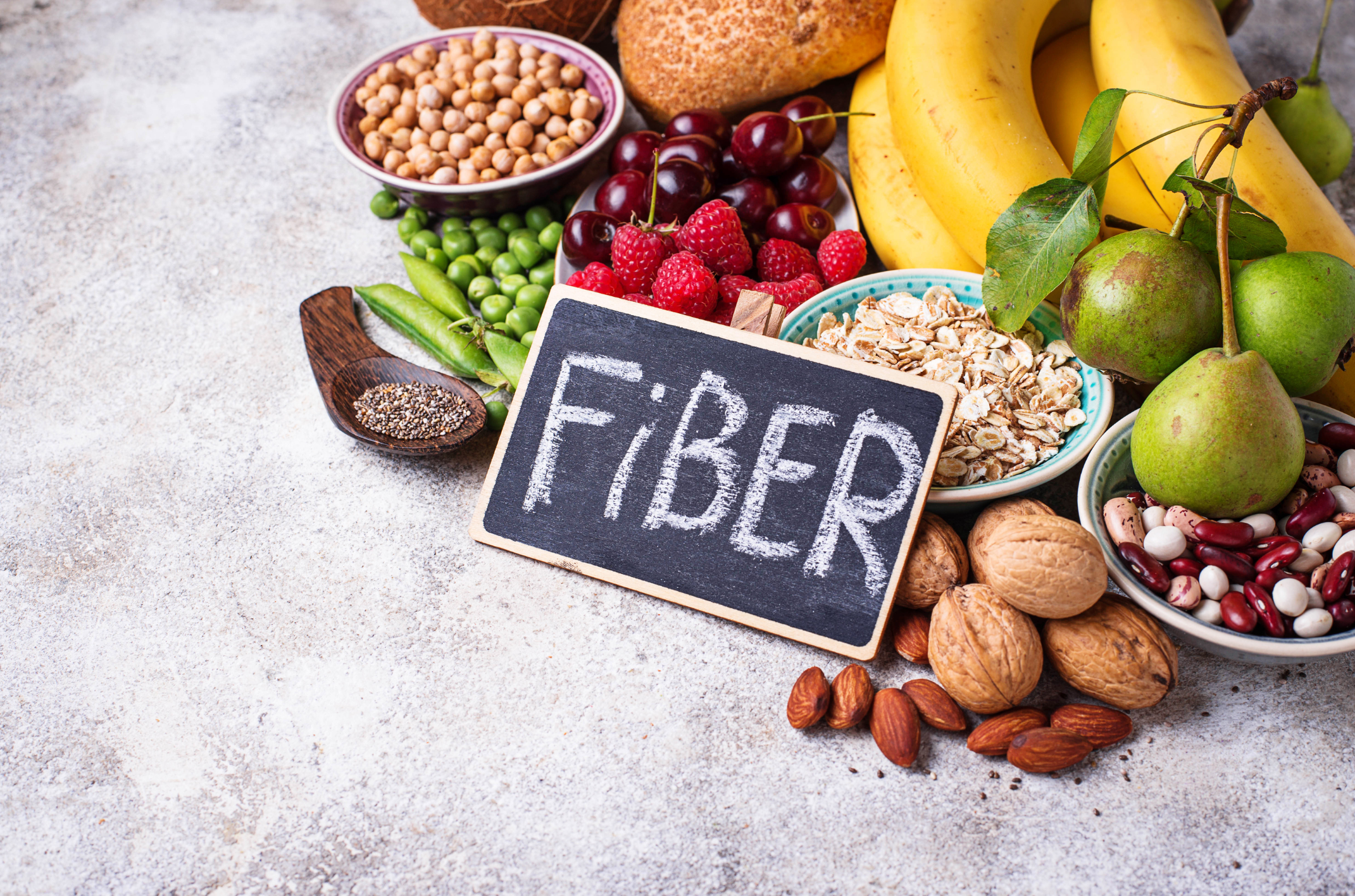
Fiber is often recommended as the universal solution for digestive problems. Constipation? Add fiber. High cholesterol? Add fiber. Blood sugar imbalance? Add fiber.
But when it comes to gut healing, not all fiber is equal, and in some cases, adding more fiber too quickly can actually worsen symptoms.
For individuals dealing with IBS, SIBO, diverticulitis, chronic bloating, or inflammatory gut conditions, fiber must be used strategically. Understanding the different types of fiber and how they interact with the gut microbiome is essential for true gut repair.
What Fiber Actually Does in the Gut
Dietary fiber is a type of carbohydrate that the body cannot fully digest. Instead of being broken down like sugar or starch, fiber moves into the large intestine, where it interacts with the gut microbiome.
Fiber plays several important roles:
• Feeds beneficial gut bacteria
• Produces short chain fatty acids that support colon health
• Improves bowel regularity
• Supports blood sugar balance
• Assists in cholesterol regulation
• Helps bind and eliminate certain toxins
However, the way fiber behaves in the body depends entirely on the type consumed.ves.
Soluble vs Insoluble Fiber, Why the Difference Matters
There are two primary categories of fiber, and they behave very differently.
Soluble Fiber
Soluble fiber dissolves in water and forms a gel like substance in the digestive tract. It slows digestion and can be soothing for the gut lining.
Common sources include:
• Oats
• Chia seeds
• Flax seeds
• Beans and lentils
• Apples
• Psyllium husk
Soluble fiber is often better tolerated for individuals with sensitive digestion because it supports stool consistency and feeds beneficial bacteria without aggressively speeding up transit time.
Insoluble Fiber
Insoluble fiber does not dissolve in water. Instead, it adds bulk to stool and increases intestinal movement.
Common sources include:
• Raw vegetables
• Wheat bran
• Whole grains
• Nuts and seeds
• Vegetable skins
While insoluble fiber can be helpful for certain types of constipation, it may irritate an already inflamed or sensitive digestive tract. For individuals with active IBS symptoms, SIBO, or inflammatory bowel conditions, large amounts of insoluble fiber can worsen bloating, pain, and urgency.
When Adding More Fiber Can Make Symptoms Worse
One of the biggest misconceptions in digestive health is that more fiber is always better.
There are situations where increasing fiber without addressing underlying issues can intensify symptoms.
SIBO
In small intestinal bacterial overgrowth, fermentable fibers can feed bacteria in the wrong location, leading to increased gas production, bloating, and discomfort.
Active Inflammation
During diverticulitis flares, ulcerative colitis, or other inflammatory states, high fiber intake may irritate the intestinal lining.
Slow Motility
If bowel motility is impaired, adding bulk fiber without improving movement can increase pressure, bloating, and discomfort.
Low Stomach Acid or Digestive Insufficiency
When digestion is already compromised, adding large amounts of fiber can overwhelm the system.
In these cases, the focus should first be on restoring digestive function, reducing inflammation, and improving motility before significantly increasing fiber intake.
How Much Fiber Do You Really Need?
General guidelines recommend:
• 40 grams a day sourced from 40 different sources all week.
However, these numbers are not one size fits all.
For individuals with chronic gut symptoms, fiber intake may need to be adjusted gradually. Increasing fiber too quickly can cause gas, bloating, and cramping.
The key is gradual progression, adequate hydration, and choosing the right type of fiber for the individual’s condition.
Fiber Diversity, A Smarter Approach to Gut Health
Current research on the gut microbiome emphasizes not just fiber quantity, but fiber diversity.
Different fibers feed different bacterial species. A diet limited to just one or two fiber sources may not support optimal microbiome diversity.
Instead of focusing solely on hitting a specific gram target, a strategic approach may include:
• Rotating vegetables
• Incorporating various seeds
• Including legumes if tolerated
• Eating a range of plant colors and textures
This approach supports microbiome balance while reducing the likelihood of overstimulation from any single fiber type.
How to Increase Fiber Safely for Gut Repair
For individuals working on gut healing, a strategic plan may include:
• Increasing fiber slowly, over weeks rather than days
• Prioritizing soluble fiber initially
• Monitoring symptom response carefully
• Ensuring adequate protein intake
• Supporting hydration
• Addressing underlying digestive dysfunction first
Fiber works best when the digestive system is functioning properly. When foundational issues such as inflammation, dysbiosis, or motility problems are present, those must be addressed alongside dietary changes.
When to Seek Professional Guidance
If symptoms include:
• Persistent bloating
• Chronic constipation
• Abdominal pain
• Alternating diarrhea and constipation
• Diagnosed IBS, SIBO, Crohn’s disease, diverticulitis, or colitis
Blindly increasing fiber may not be appropriate.
A personalized gut repair plan, including dietary strategy, possible testing, and targeted supplementation, can help determine what type and amount of fiber is appropriate.
Strategic Fiber Is Key to Gut Healing
Fiber is a powerful tool in digestive health, but it is not a universal solution. Not all fiber behaves the same way, and not every gut is ready for aggressive fiber increases.
When used strategically, fiber can support microbiome diversity, regulate digestion, and reduce inflammation. When used improperly, it can worsen symptoms.
If you are in Eugene, Oregon and struggling with bloating, IBS, SIBO, diverticulitis, or chronic digestive discomfort, a personalized approach to gut repair may be the missing piece.
Book a consult today to develop a gut healing strategy tailored to your body.
Ready to Start Better? Start Your Digestive Healing Journey Today
Chronic bloating, heartburn, and unpredictable digestive symptoms don't have to be your normal. At Nicole Joyce Health Counseling, I take a personalized, holistic approach to digestive repair that fits your life.
Whether you've tried everything or you're just starting to look for answers, I'd love to help.
Take the first step:
📞 (541) 914-9147 📍 Proudly serving Eugene, OR and surrounding communities 🌿 Book Your Free Discovery Call