How to Dine Out in Eugene Without Triggering Your Gut Symptoms
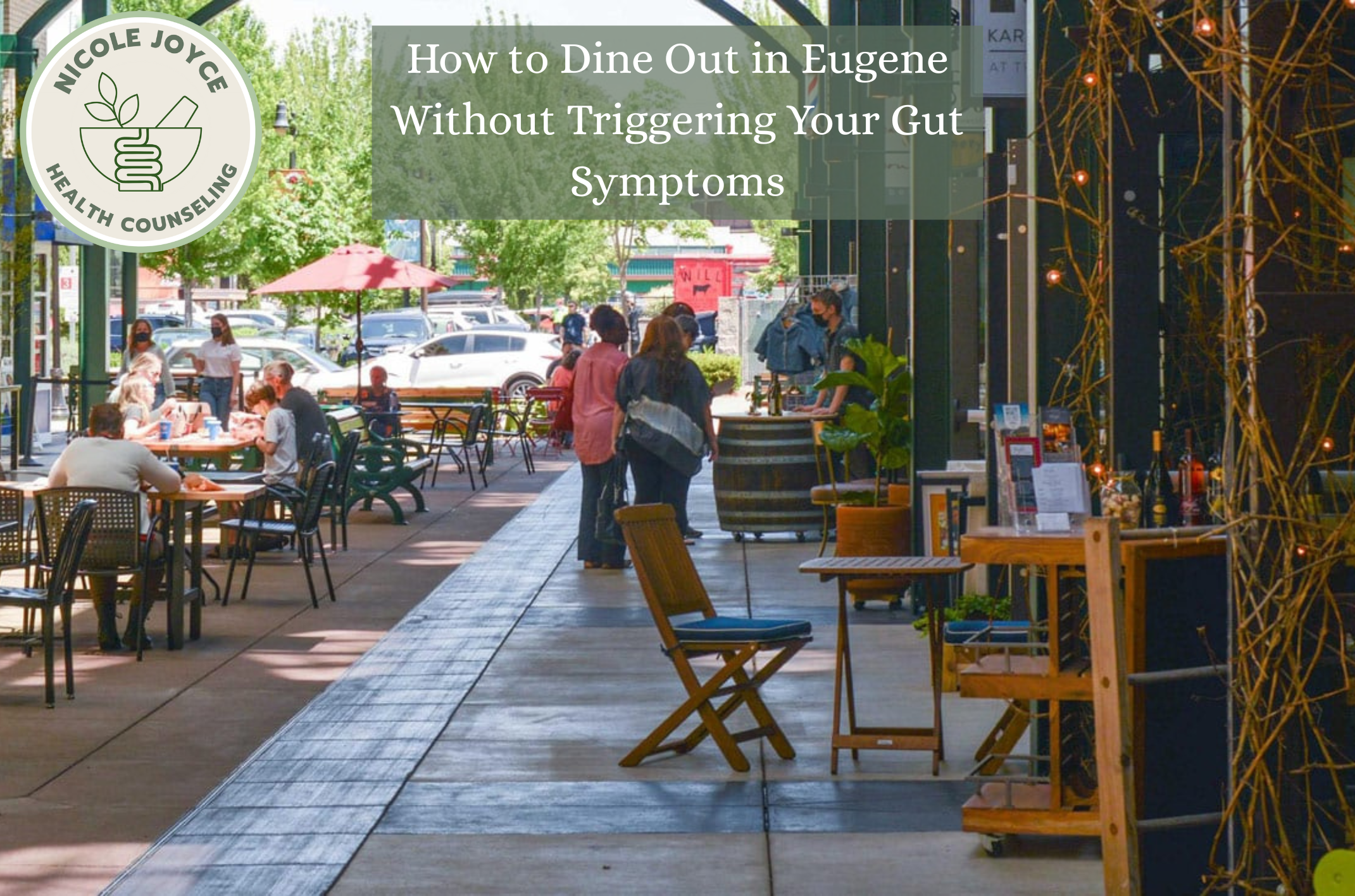
Eating out can feel like a gamble when you have a sensitive stomach. You want to enjoy a good meal with friends or family without worrying about cramps, bloating, or other uncomfortable gut symptoms sneaking up on you.
Restaurant meals tend to be richer, saltier, and higher in fat than what you'd prepare at home. Larger portions, hidden ingredients, and cooking methods you can't control all add up to potential digestive distress. But none of this means you have to avoid restaurants altogether.
The good news? With a bit of know-how and some simple strategies, you can take control of your dining experience. Whether you're managing gut health in Eugene or anywhere else, I'm breaking down easy, practical tips to help you eat out confidently while keeping your gut calm and happy.
Planning Before You Go
One of the most effective ways to protect your digestive health is monitoring what you eat in the 24 hours before dining out. Think of this as creating a calm foundation for your gut.
Choose gentle foods that won't stress your system. Low-fat, fiber-rich meals like steamed vegetables, plain rice, or oatmeal promote smoother digestion. This contrasts with heavy, fatty dishes, which can leave your digestive tract feeling sluggish by the time you sit down at the restaurant.
By eating simpler meals beforehand, you minimize stress on your system, allowing it to better handle whatever you order.
Bring a small emergency kit with you. Having digestive enzymes, antacids, or other medications at hand means you can act quickly at the first sign of discomfort.
What to pack:
A pre-meal snack like a banana or yogurt to stabilize blood sugar
Digestive enzymes to support breaking down richer foods
DGL (licorice) chewables for potential acid reflux or heartburn
Peppermint oil or ginger tablets for quick relief
This preparation puts you in control and lets you approach dining with confidence.
Finding Gut-Friendly Restaurants in Eugene
Not all restaurants accommodate dietary needs equally. Here in Eugene, we're lucky to have a growing number of health-conscious dining options that make it easier to find gut-friendly meals.
Many local restaurants share detailed information about their ingredients online. Do a bit of research before choosing where to eat. When you find a restaurant that looks promising, call ahead. Talk to the kitchen staff or manager about your specific needs. This simple step can make a huge difference.
Questions to ask:
● Do you use common triggers like garlic, onion, high-fat oils, or certain spices?
● Can you substitute ingredients without cross-contamination?
● Can you modify dishes for dietary restrictions?
Eugene's farm-to-table scene is particularly helpful for sensitive stomachs. Restaurants sourcing from local Willamette Valley farms often offer fresher, simpler ingredients that are easier on digestion.
What to Order Once You're There
Reading the menu strategically makes all the difference. Look for specific keywords that signal safer cooking methods.
Words like "grilled," "steamed," "baked," or "roasted" mean lighter preparations with minimal added fats. Watch out for menu items described as "fried," "creamy," "smothered," or "crispy." These dishes usually contain heavy fats and rich sauces that can trigger bloating and cramps.
Keep it simple. When a dish has too many ingredients or unfamiliar seasonings, it becomes nearly impossible to know what might cause problems. Choose meals with just a few recognizable elements. Grilled chicken with steamed vegetables or a fresh salad with light vinegar dressing is much safer than complex pasta dishes or heavily spiced curries.
Be cautious around buffets. Although they offer variety, buffets increase the risk of cross-contamination where allergens transfer between dishes. Food sitting out for extended periods can also deteriorate in quality.
Menu navigation guide:
Choose "grilled," "steamed," "baked," or "boiled" preparations
Avoid anything marked "fried," "creamy," or "breaded"
Pick dishes with short, simple ingredient lists
Skip buffets when possible
Ask your server about preparation methods if you're unsure
Don't be shy about communicating with restaurant staff. When you explain your needs upfront, most kitchens are happy to accommodate.
Customizing Your Order
This is where you really take control. Start by requesting sauces and dressings on the side. This prevents unwanted exposure to hidden ingredients and lets you control exactly how much you use.
Ask about substitutions. Swap fried sides for steamed vegetables. Request your food prepared without certain seasonings. Most restaurants are willing to make these adjustments, especially if you're polite and clear.
Portion control matters too. Restaurant servings are often much larger than what your body needs in one sitting. Consider ordering an appetizer as your main course or splitting an entree. Eating smaller amounts reduces the workload on your digestive system.
Simple customization strategies:
Ask for dressings and sauces on the side
Request dishes without garlic, onions, or heavy spices
Swap fried sides for steamed or roasted vegetables
Order appetizer portions or share main courses
Ask for mild seasoning
These small adjustments add up to a much more comfortable dining experience.
How You Eat Matters Too
What you order is important, but how you eat it is just as crucial for digestive comfort.
Slow down. When you eat too quickly, your digestive system gets overwhelmed, leading to bloating, gas, and that heavy feeling we all want to avoid.
Chew each bite thoroughly, taking your time with each mouthful. This might feel slower than you're used to, but it makes a real difference. Chewing breaks food into smaller pieces and mixes it with saliva, where digestion actually begins. Many people find they experience significantly less discomfort simply by slowing down at meals.
Stay hydrated, but stick with still water. Sipping water throughout your meal helps with digestion and naturally slows your eating pace. Avoid carbonated beverages. The bubbles introduce gas into your digestive tract, causing bloating and triggering reflux if you're sensitive.
If Symptoms Start to Flare
Even with the best planning, sometimes symptoms still pop up. The key is catching them early.
Pay attention to your body's signals. Mild bloating or cramping is often an early signal that your digestive system is struggling. When you notice these early signs, you can intervene before things get worse.
Your emergency kit becomes especially useful in these moments. A few drops of diluted peppermint oil under the tongue or a ginger tablet can work wonders. Peppermint may help relax the muscles in your gastrointestinal tract, easing cramps. Ginger may help reduce nausea and support digestion.
Having these natural remedies on hand can completely shift your dining out experience. Just knowing you have something that can help reduces the anxiety around eating out.
Keep a simple food journal too. Note what you ate and how you felt afterward. Over time, you'll start to see patterns that help you avoid specific triggers in the future.
Building Long-Term Success
The strategies I've shared will help you enjoy restaurant meals right now, but long-term gut health requires ongoing attention.
Keep a detailed food diary. Write down everything you eat along with any symptoms that follow. This helps uncover specific foods or ingredients that consistently cause problems.
If you're struggling to figure out your triggers on your own, working with someone who specializes in digestive health makes all the difference. At Nicole Joyce Health Counseling, I help clients identify their unique sensitivities and create personalized plans that support healing while still allowing them to enjoy food and social occasions.
Daily habits that support gut health:
Drink water consistently throughout the day
Eat at regular intervals, ideally every three to four hours
Notice how your body responds to different foods
Practice stress management like deep breathing or gentle movement
These foundational habits create a buffer against digestive symptoms, whether you're eating at home or dining out.
Ready to get your gut health under control so you can enjoy dining out without worry? I'm here to help. Book your free discovery call today, and let's create a personalized plan that works for your body and your life. Call me at (541) 914-9147 or email us.
As a Functional Nutritional Therapy Practitioner and Health Coach specializing in gut health here in Eugene, Oregon, I offer compassionate, personalized support to help you achieve lasting digestive wellness.
Frequently Asked Questions
-
Before dining at a new restaurant, check the menu online for gut-friendly options. Look for dishes that are grilled, steamed, or baked rather than fried. Call ahead to ask about ingredients and preparation methods. Pack digestive enzymes or antacids in case you need them. Eat lighter meals in the 24 hours before dining out to give your gut a calm foundation.
-
Be clear and direct with your server. Say something like, "I have digestive issues and need my meal prepared without garlic and onions" or "I need gluten-free options due to a medical condition." Most restaurant staff appreciate straightforward requests. Don't hesitate to ask detailed questions about how dishes are prepared or what ingredients are used.
-
Mediterranean and Japanese cuisines are often gentler on the gut because they emphasize fresh vegetables, lean proteins, and fermented foods. Here in Eugene, farm-to-table restaurants that source from local Willamette Valley farms tend to use simpler, fresher ingredients, which is easier on sensitive digestive systems.
-
First, stop eating and take a few deep breaths. Sip some still water slowly. If you brought peppermint oil or ginger tablets, use them. Excuse yourself if you need a moment to walk around. Sometimes just pausing and giving your body a chance to settle makes a difference. Don't force yourself to keep eating if your gut is telling you to stop.
-
Stick with simple, easily digestible foods. Grilled chicken or fish, steamed vegetables, plain rice or baked potatoes, and fresh salads with dressing on the side are all good choices. Avoid greasy, spicy, and heavily processed dishes. When you're looking at the menu, think "simple and mild" rather than "complex and adventurous."